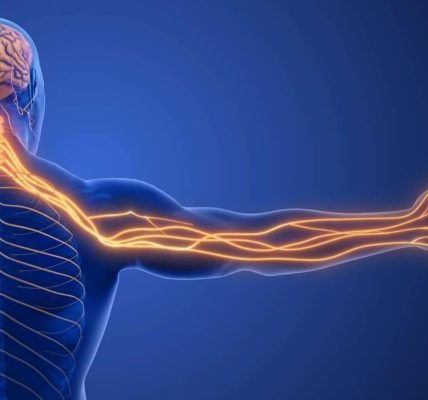

Behavioral health refers to the composite of emotional, psychological, and social well-being influencing perceptions, choices, and reactions to life’s daily demands and relationships. Societal health depends substantially on supporting positive behavioral health across communities. Meeting escalating challenges today around trauma, addiction, violence, discrimination and mental illness relies on robust behavioral health systems nurturing individual and collective resilience.
Widespread Impacts of Poor Behavioral Health
Unaddressed trauma, depression, anxiety, grief, cognitive conditions and persistent life stress compromise daily functioning for growing numbers globally. Mental health disorders affect 1 in 5 adults annually. Nearly 17% battle addiction. Almost 50% face adverse early childhood experiences. Poor behavioral health reduces life expectancy by 10 or more years while exponentially increasing other illness risks. Beyond health impacts, poor mental health also correlates to lost jobs, school dropouts, financial insolvency, homelessness, incarcerations, suicide, and fractured families.
Role In Promoting Resilience
Behavioral health care helps people process adverse experiences, regulate overwhelming emotions, overcome destructive thought patterns, form healthy attachments and access supports needed to handle ongoing stresses. These services build critical lifelong resilience. Resilient individuals, families and neighborhoods can better withstand and rebound from crisis.
Compassion Over Correction
Historically, societies relegated behavioral health to institutionalized asylums focused on containing rather than healing people deemed unstable. Better awareness of trauma impacts and neuroscience behind behaviors slowly transforms views from character weakness assumptions to disease perspectives of conditions that need compassion and support. Still, prejudice around behavioral health issues persists in subtle ways through language, resources, mass media tropes and access barriers to care. Leading with listening and understanding versus correction humanizes those facing mental health trials.
Holistic Health Connections
Nearly half of those struggling with behavioral health and addiction issues have co-occurring medical issues like heart disease, cancers, diabetes and obesity. Chronic stress alone makes one more infection prone and slows wound healing. Poor health fueled by bad health behaviors then worsens ongoing anxiety, depression, and trauma. No health domain, however, should eclipse others, since wellness depends on properly addressing needs across the spectrum together, not in isolation.
Expanded Access and Coordination
As interdependence across health types grows clearer, siloed care models no longer suffice. Integrative care means merging behavioral health supports seamlessly into primary care, school, worksite and community settings through coordinated providers, data systems and coverage plans. Removing access barriers to behavioral care allows earlier interventions before crises escalate. Just like hiring school nurses and counselors in educational settings or employee assistance programs in workplaces; behavioral health must embed across environments people occupy by reshaping models.
Pandemic Spotlights Critical Need
The COVID-19 pandemic thrust widespread behavioral health needs center stage through surging clinical demands. Yet at once social distancing measures interrupted continuity models heavily reliant on in-person visits. Scrambling transitions to telehealth and video counseling rapidly expanded care avenues, reaching more people despite workforce shortages. According to the people at SouthlandMD, residency expansions, licensing changes and roles like community health workers opened alternate paths to increase jobs in behavioral health. While exposing huge societal deficits, the pandemic also accelerated long overdue improvements.
Destigmatization Efforts
Entrenched societal stigma keeps people from seeking early preventative behavioral care because of shame, privacy concerns or difficulties recognizing gradually accumulating symptoms themselves. Public campaigns to normalize discussions using common language on topics like anxiety, addiction, retirement adjustments and traumatic grief help lessen reluctance people feel. Cultural change starts small through individual stories courageously shared.
Conclusion
Behavioral health directly shapes societal health and resilience capacities in the face of crisis, change and adversity. From mental health parity laws to trauma informed schools and workplace wellness reforms, policies elevating behavioral health help societies thrive today and better withstand unpredictable tomorrows.